
🌟 AI Will Save Us... or Break Us.
It could democratize opportunity—or deepen the power gap forever.

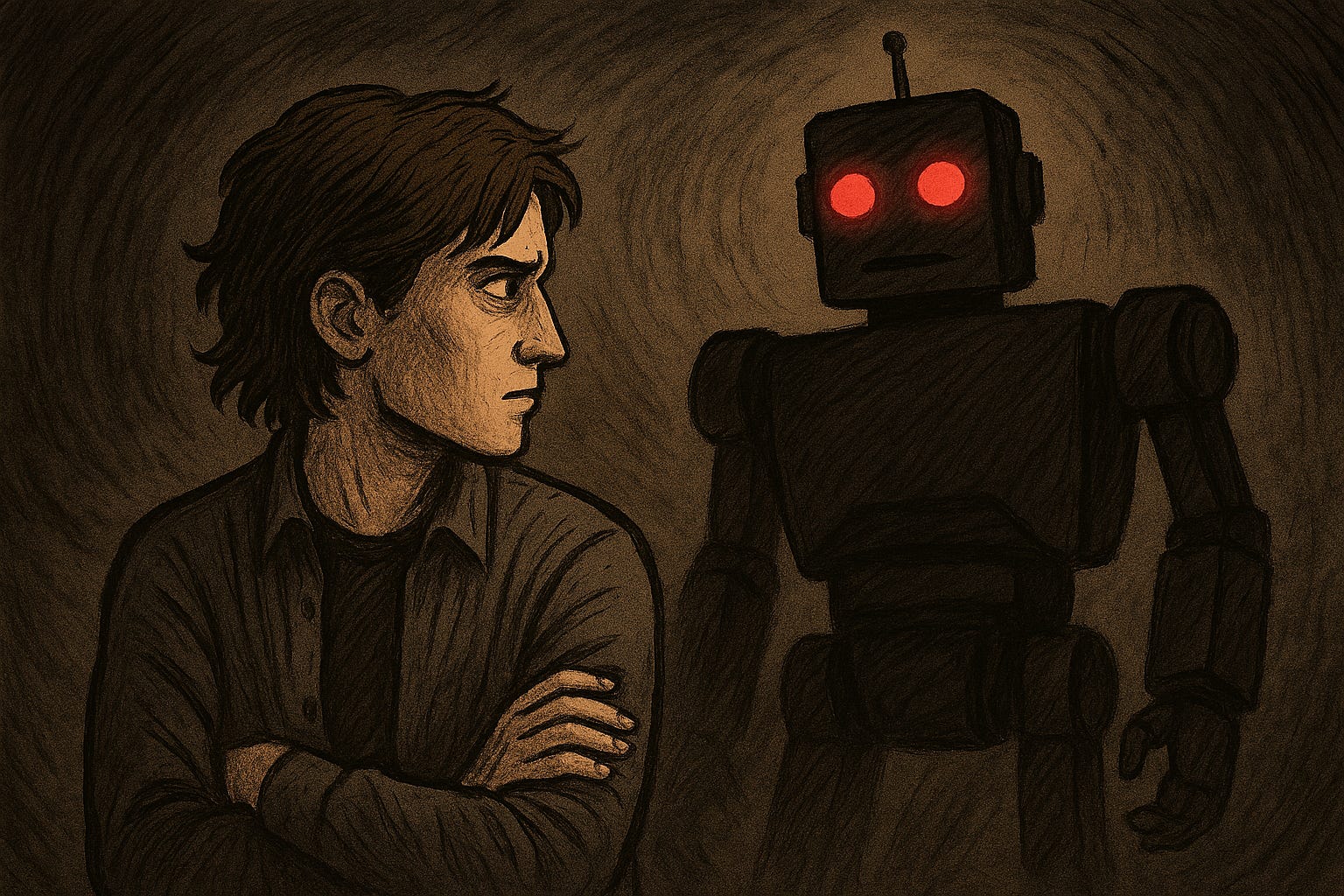
If you've been feeling like you're caught in a whirlpool of AI headlines, you're not alone.
Suddenly, AI is everywhere:
Fortune 500 companies are replacing jobs with generative AI.
Students are using ChatGPT instead of tutors.
Writers are competing with bots trained on their own words.
And 77% of executives say they feel pressure to adopt AI fast—even though only 25% believe their infrastructure is ready.
The result? A cultural cocktail of fear, FOMO, and fascination. Some think AI will cure diseases and democratize education. Others see it as a job-eating, culture-erasing, bias-replicating machine. Many are too overwhelmed to know what to think at all.
And if you feel like this time really is different—you’re both wrong and right.
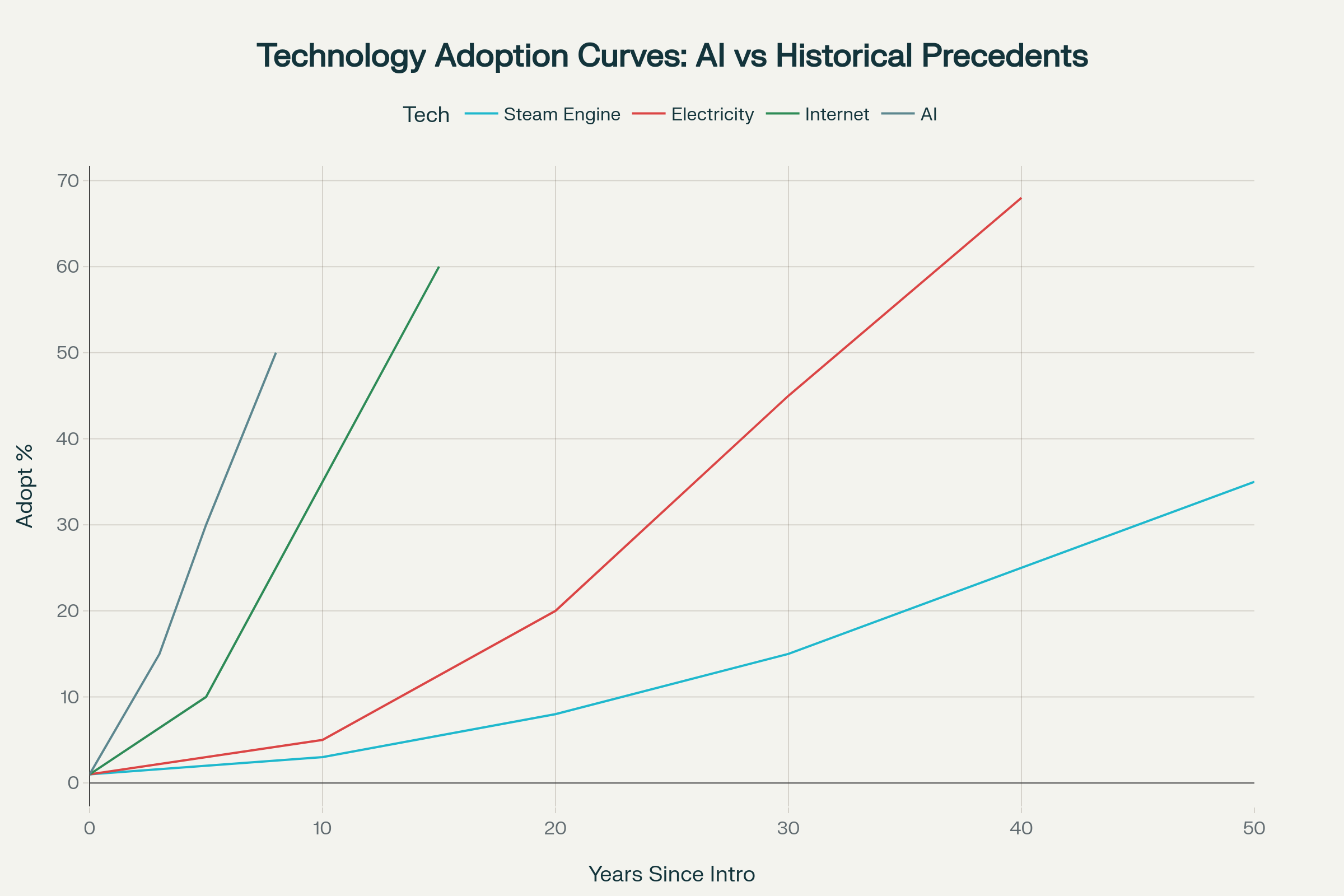
🔎 What No One Tells You: We've Seen This Movie Before
We’ve lived through revolutions before. The world has already been transformed by steam, electricity, computers, and the internet.
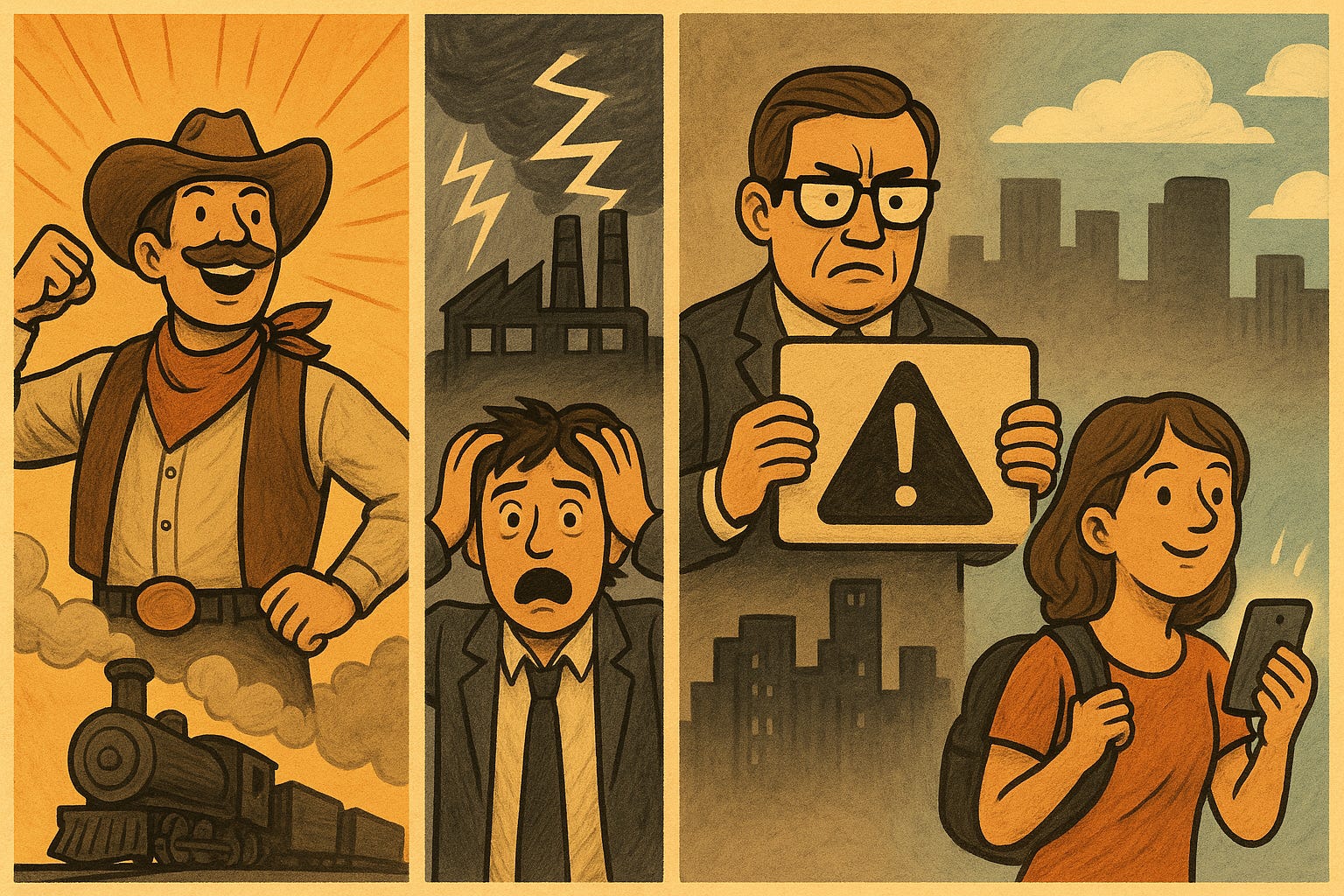
And each of these transformations followed a script:
🤠 Euphoric promise ("This will change everything!")
🌪️ Disruptive shock ("This is destroying jobs, industries, lives")
🚧 Regulatory scramble ("We should've seen this coming")
🚀 Broad integration ("This is just how we live now")
AI is following the same curve—but at a breakneck pace.
🧠 HEAD CHECK: What the Past Reveals About Jobs and AI
📈 The Job Loss Myth (and the Reality of Job Change)
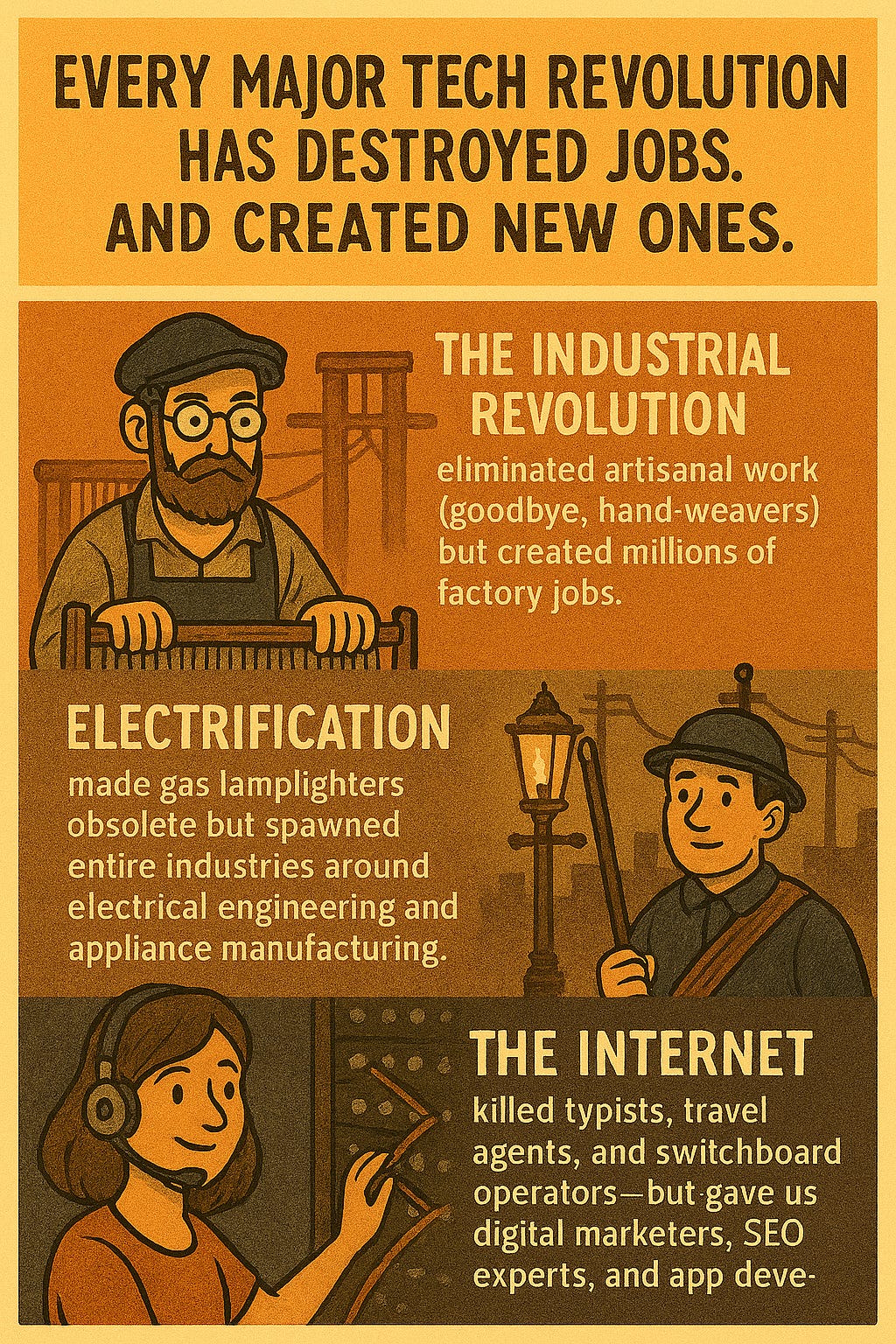
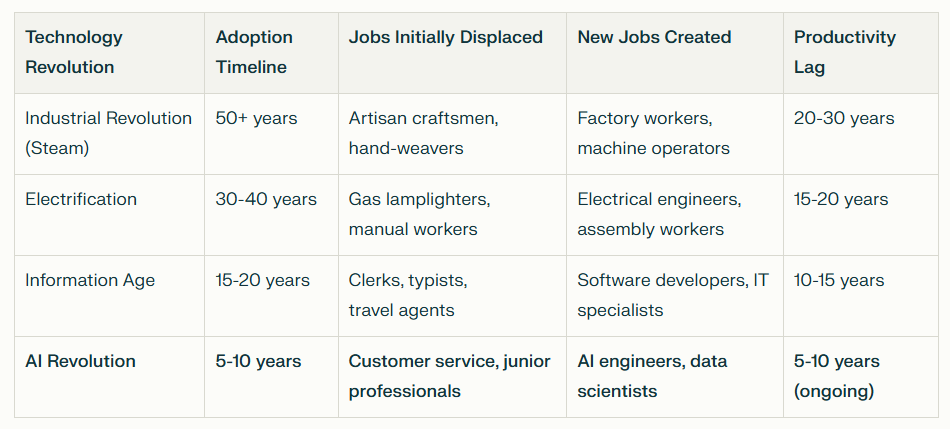
Every major tech revolution has destroyed jobs. And created new ones.
The Industrial Revolution eliminated artisanal work (goodbye, hand-weavers) but created millions of factory jobs.
Electrification made gas lamplighters obsolete but spawned entire industries around electrical engineering and appliance manufacturing.
The Internet killed typists, travel agents, and switchboard operators—but gave us digital marketers, SEO experts, and app developers.
AI is doing the same, but with a twist: it's targeting cognitive and creative labor, not just physical or clerical work. Radiologists, paralegals, software developers, and even novelists are seeing parts of their roles automated.
Jobs most at risk today:
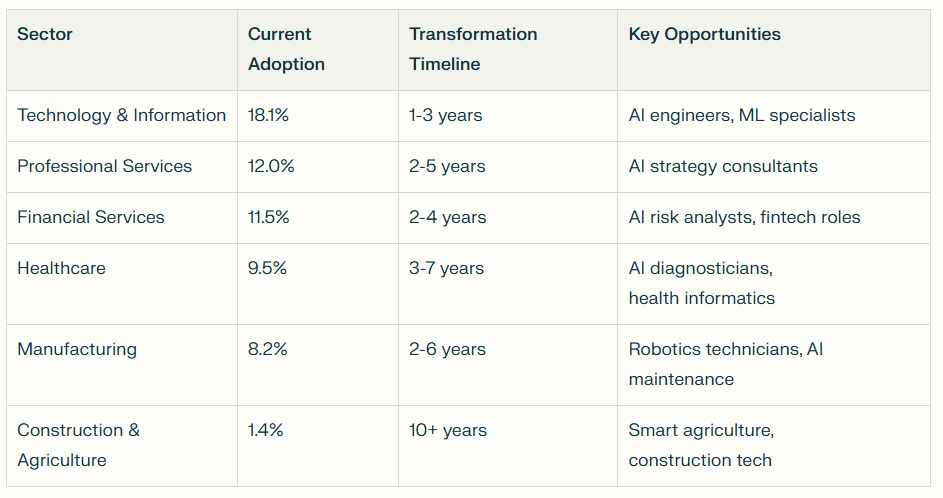
Drivers (self-driving tech)
Customer service agents (chatbots)
Junior attorneys and accountants (document review and analysis)
Translators and typists (language models)
But history shows that with each wave of automation, we see:
New jobs emerge: AI prompt engineers, data annotators, AI ethicists.
Old jobs evolve: Teachers become AI-facilitated guides. Doctors become data interpreters.
Productivity surges: freeing people to do more with less.
🌐 AI Isn’t Replacing People. It’s Replacing Tasks.
A lawyer who uses AI might handle five times the caseload. A designer can spin out dozens of prototypes in a day. A small business owner can get instant marketing plans, legal docs, and customer support help.
We saw this in the computer revolution too. Accountants didn’t vanish; they became faster, more strategic, and more valuable.
📈 Productivity Paradox Repeating
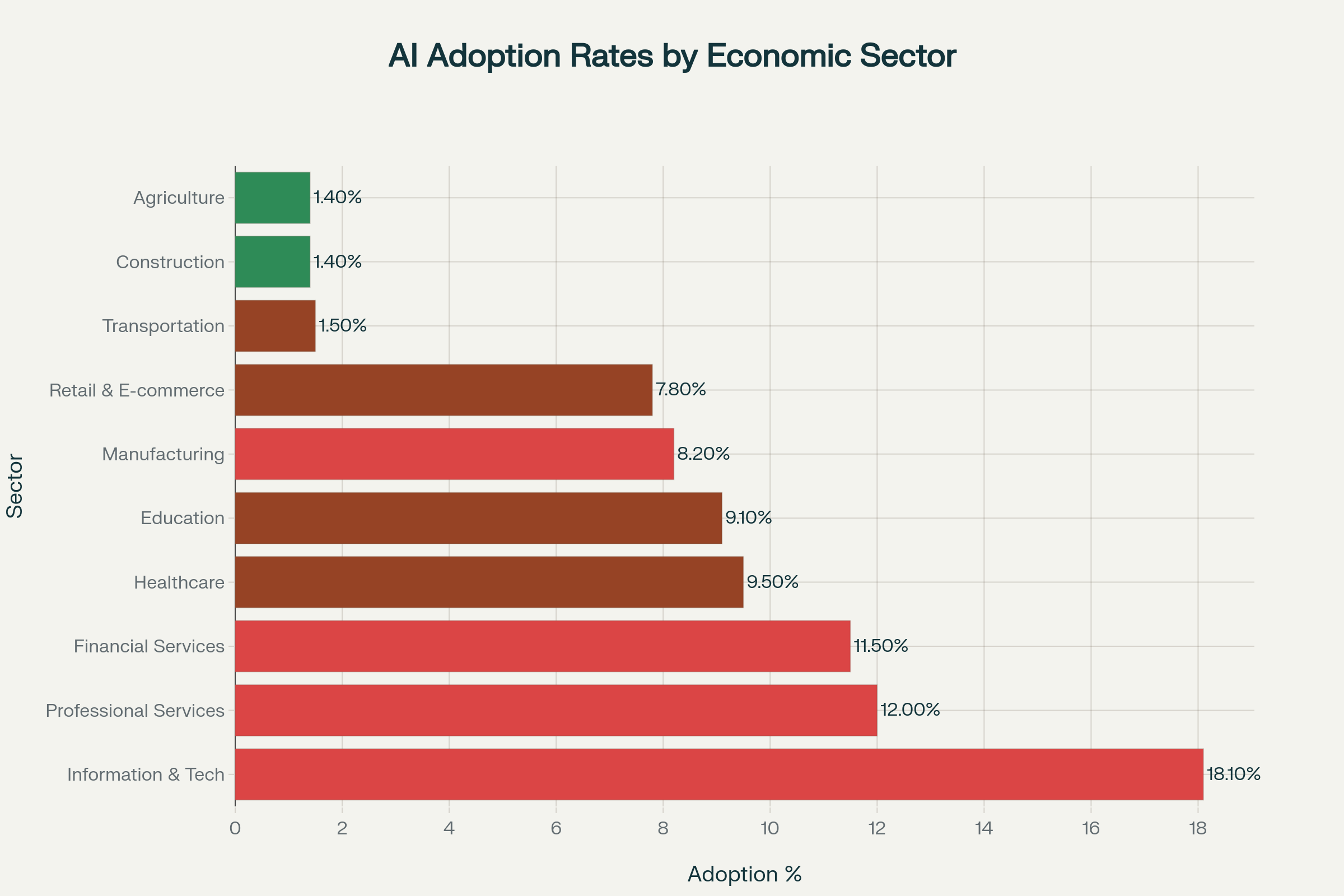
In the early 2000s, economist Robert Solow famously said, "You can see the computer age everywhere but in the productivity statistics."
That’s where we are with AI. Productivity will rise—but not before companies redesign workflows, employees retrain, and new industries take root.
We’re in the awkward middle.
This is the moment to shape the future—or get shaped by someone else’s code.
❤️ HEART CHECK: Why This One Feels Personal
AI isn’t just changing jobs. It’s changing the sense of self.
In past tech shifts, the machines took the muscle work. We kept the thinking.
Now, machines are composing music, writing essays, and answering interview questions.
It’s not just disruption. It’s identity crisis.
When AI can write a poem, sketch a logo, or diagnose a tumor, we’re left asking:
What’s left that’s uniquely human?
That question haunts both creatives and professionals. Not because AI is better—but because it’s good enough to compete.
History gives us clues here too:
When factories replaced artisan clothiers, the value of "handmade" rose.
When synthesizers emerged, live music found new cultural niches.
When Photoshop arrived, photography embraced authenticity.
AI may force us to redefine value: not by what machines can do, but what only humans should do.
🔮 GUT CHECK: What Kind of Society Are We Becoming?
Let’s zoom way out.
Power has always been shaped by technology.
Feudalism: Lords owned land; serfs worked it. No mobility, no agency.
Postwar U.S.: Public investment, strong unions, high taxes on rich. Big middle class, upward mobility.
Globalization: Tech + trade favored capital over labor. Job polarization, geographic inequality.
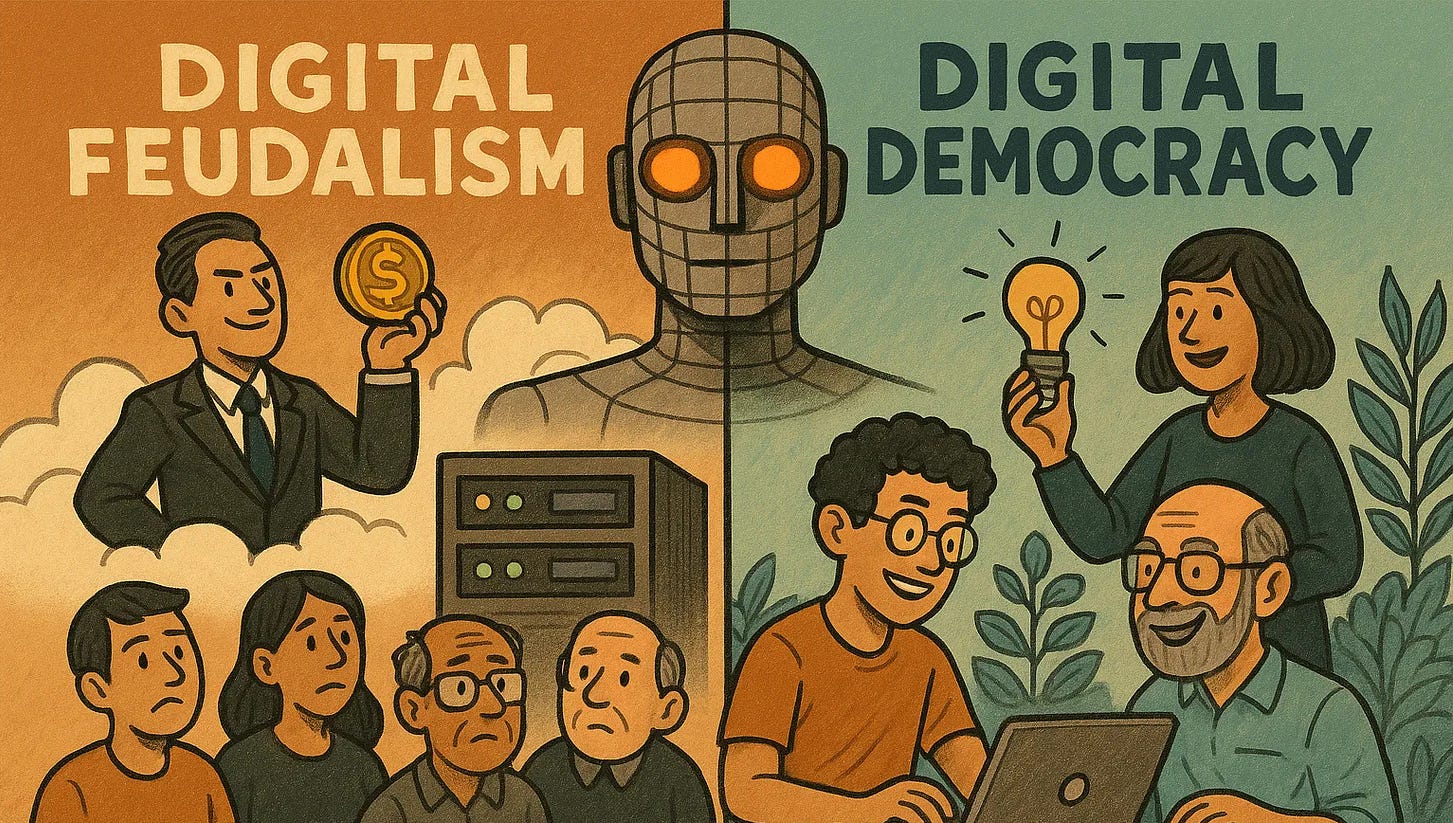
AI could go either way.
Scenario 1: Digital Feudalism
AI is owned by a few firms.
Data and infrastructure are centralized.
The average person uses AI but doesn’t understand or control it.
Wealth and power concentrate further.
Scenario 2: Digital Democracy
AI tools are open-source, widely distributed.
Education systems teach AI fluency.
Small businesses and individuals wield AI to build, learn, earn.
Society adapts norms to preserve dignity, creativity, and equity.
History suggests we need:
Strong antitrust enforcement
Universal access to education and AI tools
Ethical standards, transparency laws, and global cooperation
We got parts of this right with electricity and the internet. But we missed the boat on social media and data privacy.
With AI, we have a chance to learn from both wins and failures.
🔄 LIFE CHANGE: How This Can Actually Work in Real Life
Here’s what a Crazy Good transition into the AI era might look like:
🏡 For the worker:
AI replaces your least favorite part of the job
You get trained in using AI tools that boost your output
Your role evolves toward strategy, creativity, or empathy
🚑 For healthcare:
AI analyzes scans faster, with fewer errors
Doctors spend more time on human conversations, less on paperwork
Outcomes improve, costs go down
📅 For education:
Students learn at their own pace with AI tutors
Teachers focus on mentoring, curiosity, and critical thinking
Equity improves for underserved communities
💸 For the economy:
Productivity soars as businesses integrate AI
Entirely new sectors emerge: AI ethics, AI optimization, AI therapy
Governments tax AI-powered wealth and reinvest in society
But none of this happens by default.
Without leadership, regulation, and public engagement, we risk a lopsided future…
Billionaires get richer while millions feel obsolete
Deepfakes erode truth and trust
Policy lags behind problems (as it did with climate, data, and media)
AI is a lever. Whether it lifts people up or concentrates power depends on who pulls it—and how.
🌊 Parallels, Patterns, and Playbooks (So Far)
Theme Past Revolutions AI Era Job Impact Displaced manual/routine work, created new sectors Automating both routine and creative work Productivity Surged after lag (1920s, 1990s) Lagging now, poised to spike with full integration Inequality Rose early, leveled with policy (e.g., New Deal) Rising fast, concentrated among tech owners Cultural Angst Romanticism, backlash, eventual adaptation Deepfake anxiety, identity questions, AI companions Regulation Reactive (e.g., antitrust, child labor, FDA) Playing catch-up, global coordination needed Finance Investment booms, bubbles, crashes, rebounds AI venture surge, signs of hype, long-term value likely
🧰 Closing Thought: The Future Is Fast, But It’s Still Ours to Shape
The AI revolution feels like it’s moving faster than anything before it. And it probably is. But we’re not helpless.
We have:
Centuries of pattern recognition
Tools to communicate, educate, and legislate
The ability to think, feel, and choose with foresight
So, yes—this time is different. But so are we.
And if we apply the best lessons from the past, AI might not just replace the future.
It might upgrade it.
Ai lacks any and all entelechy.